Life Star: A Groovy Display Font for Creative Projects
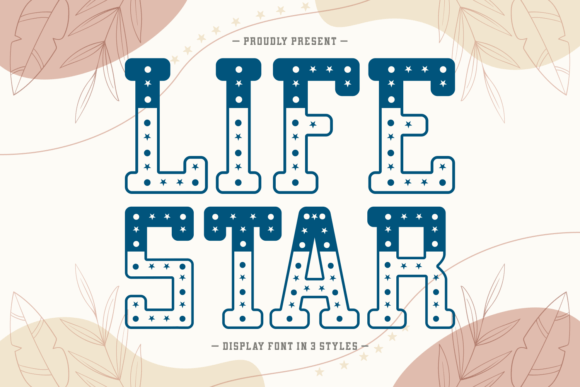
There’s a certain magic in choosing the right font for a project—especially when it feels like it was made for the moment. Recently, I found myself redesigning the header of a lifestyle blog, and Life Star became the unexpected hero of the layout. As a display font, Life Star carries a subtle groovy vibe that blends effortlessly with creative content, making it ideal for projects where visual flair meets readability.
Life Star for Blog Headers and Editorial Layouts
Life Star is a display font that subtly exudes a dynamic energy, making it perfect for blog headers and editorial layouts. Its multi-faceted design allows it to stand out without overwhelming the reader, which is crucial for maintaining a balance between style and clarity. When I used it for a lifestyle blog redesign, the font added a lively accent that complemented the brand's playful tone while keeping the content accessible.
The rhythm of Life Star is smooth yet expressive, allowing it to work well as a title font or for pull quotes. It doesn’t scream for attention but instead invites the reader to lean in, making it an excellent choice for blog headers and magazine covers that need to capture interest quickly.
Life Star in Digital Magazines and Course PDFs
In a recent digital magazine layout, I tested Life Star as a chapter opener and section heading font. The result was striking—its groovy aesthetic gave the publication a modern edge without compromising on readability. For course creators or ebook designers, this font can serve as a strong visual anchor for titles, chapter headings, or even decorative accents in worksheets and printable guides.
What makes Life Star stand out is its versatility. Whether it's used in a wedding guide, a coaching workbook, or a printable planner, it brings a sense of movement and creativity to the page. However, it's important to note that this font isn't suited for long-form reading or dense paragraphs. It shines best when used sparingly—on titles, subtitles, and pull quotes.
Pairing Life Star with Readable Fonts for Editorial Design
As a display font, Life Star works best when paired with a more readable serif or sans serif font for body copy. In my experience, pairing Life Star with a clean sans serif like Helvetica or a traditional serif like Garamond creates a balanced look that supports both visual hierarchy and reader engagement.
This font pairing approach is especially useful for newsletters, editorial features, and content branding. By using Life Star for headlines and a more neutral font for body text, you create a clear distinction between different elements of the layout, improving overall readability and user experience.
When designing for print or digital exports, it's also worth checking the font’s multilingual support and file formats. Life Star should be compatible with common platforms like Adobe InDesign, Photoshop, and Canva, making it easy to integrate into various editorial workflows.
Readability Considerations for Screen and Print
While Life Star adds a lively touch to any layout, it's essential to consider its performance on screen and in print. On mobile devices, the font remains legible at smaller sizes, though it’s best reserved for larger headings or titles. For PDF exports and print materials, the font maintains its character and clarity, ensuring that your publication looks polished across all mediums.
If you're working on a project that requires extended use of Life Star, such as a full-page feature or a booklet-style format, it's advisable to test it in context. While it may not be suitable for body copy, its expressive nature makes it ideal for decorative accents, pull quotes, and other short-form elements.
Ultimately, Life Star is a premium display font that brings a unique groove to your editorial designs. Whether you're crafting a newsletter header, redesigning a blog, or building a printable planner, this font offers a versatile solution that aligns with both creative expression and functional readability.