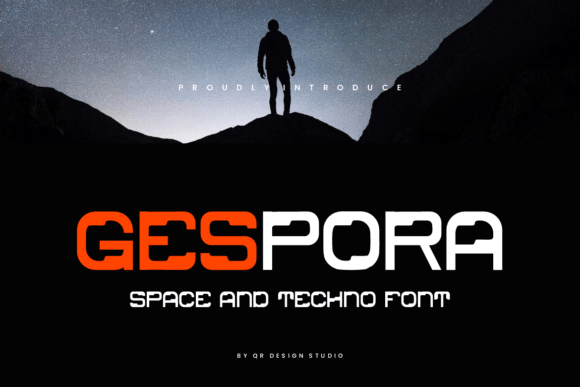
Gespora Font for Bold Branding and Web Design
Gespora in a Creative Portfolio Header
As I was working on a creative portfolio redesign, I needed a display font that could stand out without overwhelming the layout. Gespora Font caught my eye immediately with its bold and authentic feel. I tested it in the hero section, placing it over a full-width image of a recent project. The result felt dynamic and professional, giving the header a strong visual punch while maintaining clarity.
Gespora is a display font that works well when you need to make an impression quickly. It’s not just about aesthetics; it's about how it interacts with the rest of the design elements. I noticed that the sharp edges and clean lines of Gespora helped create a sense of confidence and modernity—perfect for a designer showcasing their work.
Gespora for Boutique Online Store Banners
Next, I applied Gespora to a boutique online store banner. The brand wanted something unique but still approachable. Using Gespora for the main headline, I paired it with a simple sans serif font for the product descriptions. This contrast made the content easy to scan, which is crucial for e-commerce sites where users often look for quick information.
I found that Gespora worked especially well on larger banners and headers. It didn’t get lost against dark or light backgrounds, which is important for readability across different devices. For mobile screens, I made sure the text size was responsive, ensuring that the boldness of Gespora didn’t become too overwhelming at smaller sizes.
Gespora in Coaching Website Call-to-Action Areas
On a coaching website, I used Gespora for the call-to-action (CTA) buttons and section headings. The goal was to inspire action and convey authority. By using Gespora in the CTA area, the message felt more urgent and powerful. The font’s authenticity added a personal touch, making the content more relatable and trustworthy.
It’s worth noting that Gespora isn’t suitable for every part of the page. While it shines as a display font, I avoided using it for body copy or long paragraphs. Instead, I reserved it for short, impactful phrases like “Book Your Session” or “Start Today.” This helped maintain a clear visual hierarchy and improved user engagement.
Gespora for Product Landing Page Headlines
When designing a product landing page, I experimented with Gespora in the headline section. The product was a premium software tool, and I needed a font that conveyed both innovation and reliability. Gespora provided the right balance—it looked modern yet had a classic edge that suggested quality.
The font also played well with the background imagery. I placed it over a subtle gradient, which allowed the text to pop without being too harsh. This combination helped guide the user’s eye naturally from the headline down to the supporting content and features list.
Gespora in Digital Brand Kit Typography
In a digital brand kit, I included Gespora as the primary display font. It fit seamlessly into the brand’s identity, offering a consistent look across all assets—from logos to social media posts. I appreciated that Gespora came in .OTF format, which gave me flexibility in editing and customizing it for different use cases.
For multilingual support, I checked the font’s coverage and found that it handled a wide range of characters. This made it ideal for international branding projects where consistency across languages is essential. Including Gespora in the brand kit ensured that all future marketing materials would have a cohesive typographic voice.
Gespora for Blog Headers and Editorial Design
Finally, I used Gespora in a blog redesign to give the headlines a fresh look. The blog covered topics related to web design and digital trends, so I wanted the typography to reflect creativity and professionalism. Gespora added that extra flair without compromising readability.
I paired it with a clean sans serif font for the body text, which created a balanced and visually appealing layout. The contrast between the two fonts made the content easier to read and helped users navigate through the articles more efficiently.