Welding Blak: A Bold Display Font for Modern Web Design
Testing Welding Blak on a Boutique Online Store Header
I was working on a redesign for a boutique online store selling handmade leather goods when I first tested Welding Blak. The brand wanted something that felt strong and trustworthy but also had a subtle warmth to it. Welding Blak, as a Display font, stood out with its commanding presence — the bold, substantial characters gave the header an instant sense of authority, while the gentle curves in the design added a touch of approachability.
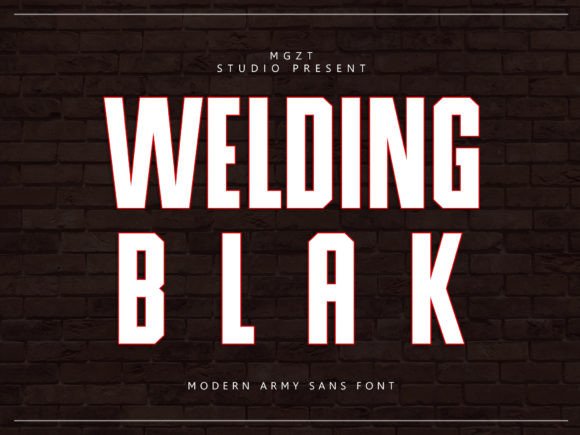
I placed it over a high-quality image of a leather jacket and immediately noticed how well it balanced the visual weight of the product. The contrast between the dark, textured background and the clean, sharp edges of the font made the headline pop without overwhelming the viewer. It felt like the perfect match for a brand that values craftsmanship and authenticity.
Welding Blak for Hero Sections and Brand Statements
Next, I experimented with Welding Blak in the hero section of a coaching website. The goal was to create a strong first impression that aligned with the coach’s message of strength and transformation. Using Welding Blak as the main heading, I paired it with a simple sans serif font for the supporting text. This combination worked well because the Display font grabbed attention while the cleaner typeface kept the content readable and easy to scan.
On mobile devices, the font scaled beautifully, maintaining its legibility even at smaller sizes. I made sure to avoid using too many decorative elements around the text, keeping the focus on the message itself. The result was a hero section that felt both powerful and inviting — exactly what the brand needed to engage potential clients right from the start.
Welding Blak in Call-to-Action Areas and Product Banners
I then applied Welding Blak to a call-to-action button on a product landing page. While buttons typically use simpler fonts for clarity, I found that using a lighter weight of Welding Blak added a unique flair without sacrificing readability. The boldness of the font helped draw the eye to the CTA, making it more effective in encouraging clicks.
For product banners, I used Welding Blak to highlight key selling points. Its versatility allowed me to switch between heavier weights for emphasis and lighter variants for secondary information. This helped maintain a clear visual hierarchy, guiding users through the content naturally and improving overall engagement.
Welding Blak for Portfolio Sites and Creative Branding
A creative portfolio site needed a font that could convey both professionalism and artistic flair. I chose Welding Blak for the main navigation and project titles. The military-inspired design gave the site a strong, confident tone, while the gentler elements of the font softened the look slightly, making it feel more human and relatable.
The font worked particularly well with dark backgrounds and light text overlays. I used it sparingly, mostly for headers and section titles, ensuring that the rest of the content remained easy to read. This balance helped maintain a polished aesthetic without making the design feel too heavy or intimidating.
Readability and Responsiveness with Welding Blak
One of my top priorities when using Welding Blak was ensuring that it performed well across different screen sizes. I tested it on various breakpoints and found that it maintained its legibility even at smaller sizes, which is crucial for mobile users. For longer blocks of text, I avoided using Welding Blak directly and instead reserved it for headings and accents, which kept the layout clean and uncluttered.
I also considered the contrast between the font and the background. On light-colored backgrounds, the darker tones of Welding Blak stood out clearly, while on dark backgrounds, I used a lighter variant to ensure visibility. This flexibility made it easier to integrate the font into different sections of the website without compromising usability.
Font Pairing and Typography Best Practices with Welding Blak
When pairing Welding Blak with other fonts, I focused on creating a harmonious contrast. For body copy, I used a clean, modern sans serif font that complemented the boldness of Welding Blak without competing with it. This approach helped maintain a professional yet dynamic visual identity.
I also explored using Welding Blak in combination with a serif font for editorial-style content. The contrast between the two created a visually interesting layout that still felt cohesive. By limiting the use of Welding Blak to headers and accents, I ensured that the design remained focused and easy to navigate.
Choosing the Right Styles and Licensing for Welding Blak
Before finalizing the use of Welding Blak, I checked the available styles, weights, and webfont options. The font offered several variations, including bold, medium, and light weights, which gave me the flexibility to use it in different contexts. I also confirmed that it supported multiple languages and had commercial licensing, which was essential for client projects and online stores.
Ensuring that the font was optimized for web use was another important step. I made sure to use the correct file formats and load the font efficiently, which helped improve page performance and user experience. Overall, Welding Blak proved to be a reliable and versatile choice for a wide range of digital design needs.